Color Infographics Design Template: A Flexible Tool for Visual Communication
Understanding the Color Infographics Design Template
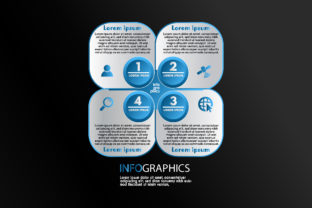
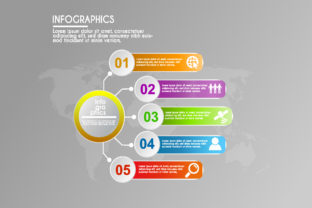
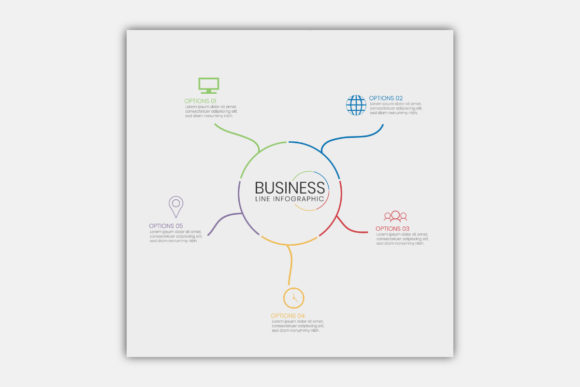
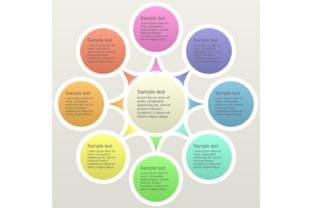
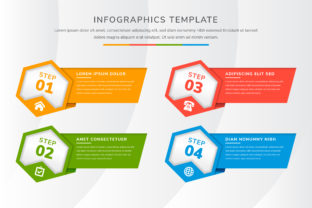
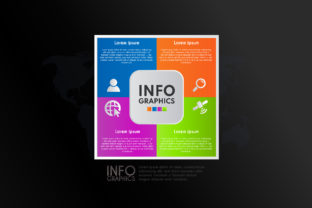
The Color Infographics Design Template is a pre-built visual framework that allows users to create engaging, data-rich infographics using a customizable color scheme. Unlike static templates, this design offers flexibility in color selection, enabling users to align visuals with brand identity, audience preferences, or thematic relevance. It is particularly useful for presenting complex information in a digestible format across business, education, marketing, and personal projects.
What sets this template apart is its balance between structure and customization. It provides a clear layout for charts, graphs, icons, and text placement while allowing color adjustments that can dramatically alter the tone and readability of the final output. This adaptability makes it a go-to choice for those who need professional visuals without starting from scratch.
Comparing Color Infographics Design Template to Other Visual Tools
In the landscape of visual communication tools, the Color Infographics Design Template competes with options like fully custom infographics, static infographic templates, and dynamic data visualization platforms. Each has its own set of advantages and limitations.
- Fully Custom Infographics: These offer the highest level of design freedom but require more time, design expertise, and resources. The Color Infographics Design Template bridges the gap by offering a polished foundation that still allows for personalization.
- Static Infographic Templates: While often easier to use, they lack the flexibility to change color schemes or layout structures. This can limit their effectiveness for brands or presentations that rely on visual consistency.
- Data Visualization Tools: Platforms like Tableau or Power BI are powerful for real-time data display but may not offer the same storytelling capabilities as an infographic. The Color Infographics Design Template is ideal when the goal is to convey a narrative or simplify data for broader audiences.
Strengths and Tradeoffs of the Color Infographics Design Template
One of the key strengths of this template is its ability to streamline the design process without sacrificing visual appeal. Users can quickly generate professional-looking infographics by swapping out colors, inserting data, and arranging content elements within a proven layout structure.
However, this convenience comes with some tradeoffs. While the template offers color flexibility, it may not support deep layout customization or advanced graphic design features. Additionally, over-reliance on pre-designed elements can lead to a generic look if not carefully tailored to the intended message or audience.
Best-Fit Situations for Using the Color Infographics Design Template
This template shines in scenarios where time, budget, or design expertise is limited. Consider using it when:
- You need to present data clearly to a non-technical audience.
- Your brand guidelines require specific color palettes that must be consistently applied.
- You're creating marketing materials, reports, or educational content on a deadline.
- You lack access to a professional designer but still want a polished visual output.
For example, a small business owner launching a new product might use the Color Infographics Design Template to create a visually compelling one-page summary for investors. By selecting brand colors and inputting key metrics, they can generate a professional document quickly and cost-effectively.
When to Consider Alternatives
Despite its versatility, there are situations where the Color Infographics Design Template may not be the best fit. If your project requires:
- Highly unique or complex visual storytelling
- Integration with live data feeds or interactive elements
- Custom illustrations or animations
- Highly technical visualizations (e.g., engineering schematics or scientific diagrams)
...you may need to explore alternatives such as custom design services or specialized visualization software.
Practical Comparisons and Real-World Use Cases
Let’s compare how the Color Infographics Design Template might be used in different contexts:
- Marketing Team: A digital marketing team preparing a quarterly performance report might choose this template to create a visually cohesive summary that aligns with their brand colors. Compared to a static template, the ability to adjust hues and contrast helps maintain visual consistency across multiple reports.
- Nonprofit Organization: A nonprofit creating a donor report could use the template to highlight impact metrics. Compared to a fully custom infographic, this option allows them to produce a professional document without the cost or time investment.
- Academic Researcher: A researcher looking to summarize findings for a conference poster may find the template useful for clarity and readability. However, if the data requires highly specialized visual formats, a dedicated academic design tool might be more appropriate.
Key Decision Factors When Choosing the Right Design Approach
When evaluating whether the Color Infographics Design Template is the right choice, consider the following factors:
- Time Constraints: How quickly do you need the infographic completed?
- Design Expertise: Do you or your team have experience with graphic design tools?
- Customization Needs: How much flexibility do you require in layout and visual elements?
- Brand Consistency: Is it important to match specific color schemes or fonts?
- Audience: Who will be viewing the infographic, and what level of visual complexity do they expect?
For many users, the ability to quickly produce visually appealing content that aligns with brand guidelines makes the Color Infographics Design Template a compelling option. However, if your needs extend beyond visual storytelling into interactive or highly technical territory, exploring alternative tools may be more effective.
Conclusion-Like Summary Without a Label
In summary, the Color Infographics Design Template offers a balanced solution for individuals and organizations looking to create professional, visually engaging content without the need for extensive design experience. Its strength lies in the combination of structure and color customization, making it suitable for a wide range of applications. Understanding its capabilities and limitations helps ensure that it aligns with your specific goals, whether you're creating internal reports, marketing collateral, or educational materials. As with any design tool, success depends on matching the template to the right project and audience needs.