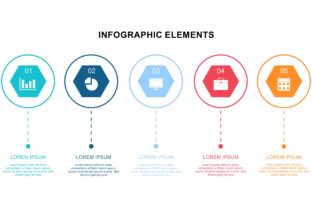
Strategic Value of Infographics Design Vector and Business for Modern Professionals
Infographics Design Vector and Business offers a powerful toolkit for professionals aiming to communicate complex information with clarity and visual appeal. These graphics, available in both JPG and EPS file formats, provide flexibility and scalability, making them suitable for a wide range of applications—from marketing materials to internal presentations. The strategic use of Infographics Design Vector and Business can significantly enhance how individuals and organizations convey data, ideas, and processes.
Why Infographics Design Vector and Business Matters
In today’s fast-paced environment, the ability to distill complex data into digestible visuals is more valuable than ever. Infographics Design Vector and Business provides a structured way to present information visually, supporting better understanding and decision-making. Whether you're an entrepreneur launching a new product, a marketer crafting a campaign, or a small business owner explaining operational processes, these tools can help simplify communication and strengthen your message.
Supporting Goals and Planning with Visual Strategy
One of the most impactful uses of Infographics Design Vector and Business is in goal setting and strategic planning. Visual representations can clarify objectives, timelines, and key performance indicators, making them accessible to teams and stakeholders. For example, a business planning its annual strategy can use vector-based infographics to outline quarterly milestones, resource allocation, and market positioning—all in a format that’s easy to review and share.
When planning a marketing campaign, Infographics Design Vector and Business can be used to map out customer journeys, content calendars, or competitor comparisons. This visual clarity not only improves internal alignment but also helps in presenting ideas to clients or investors with confidence and precision.
Positioning and Branding Through Visual Consistency
Brand identity is not just about logos and color schemes—it's also about how information is presented. Infographics Design Vector and Business allows for consistent visual storytelling across different platforms and documents. Using standardized templates ensures that your brand voice remains cohesive, whether you're publishing a white paper, creating a social media graphic, or designing a training manual.
For freelancers and content creators, maintaining a professional and recognizable visual style can set you apart in a competitive market. Vector-based infographics are especially useful because they can be resized without losing quality, making them ideal for use across print, web, and mobile formats.
How to Approach Infographics Design Vector and Business Strategically
Effective use of Infographics Design Vector and Business starts with a clear objective. Before selecting a template or designing from scratch, ask yourself: What is the core message? Who is the audience? How will this graphic be used—internally, externally, for print, or digital platforms?
Begin by outlining the data or information you want to present. Prioritize clarity and simplicity. Even the most visually appealing infographic can fail if it overwhelms the viewer or lacks a logical flow. Infographics Design Vector and Business works best when it supports comprehension, not when it distracts from the message.
Consider the tools you have available. The JPG format is ideal for quick use in presentations or on websites, while EPS files offer the flexibility of vector editing for customization in design software like Adobe Illustrator. Knowing when to use each format can save time and improve the final output.
Use Cases Across Industries and Roles
Infographics Design Vector and Business is not limited to any one industry or role. Educators can use it to explain complex subjects in a visually engaging way. Entrepreneurs might use it to pitch ideas to investors or outline business models. Bloggers and publishers can enhance articles with visuals that improve readability and shareability.
For example, a financial advisor might use vector-based infographics to explain investment strategies to clients. A project manager could use them to break down timelines and dependencies. Even hobbyists creating personal blogs or social media content can benefit from the visual structure and professional polish these graphics provide.
Planning Tips for Long-Term Use
Instead of treating infographics as one-off projects, consider building a library of reusable assets. Infographics Design Vector and Business allows for this scalability, especially with EPS files that can be edited and adapted over time. Create a system where your most commonly used charts, diagrams, and layouts are easily accessible, saving time and maintaining consistency.
Also, align your visual content with your broader communication strategy. If your business is launching a new service, develop a set of infographics that support the messaging across press releases, landing pages, and email campaigns. This integrated approach ensures that your visuals reinforce your brand and messaging at every touchpoint.
Common Pitfalls to Avoid
Despite its many benefits, Infographics Design Vector and Business can be misused when applied without strategic intent. One common mistake is overcrowding visuals with too much information. An infographic should simplify, not complicate. Another pitfall is using generic templates without tailoring them to your brand or message, which can dilute your professional image.
Additionally, using visuals without understanding your audience can lead to ineffective communication. A chart that makes perfect sense to a data analyst might confuse a general audience. Always test your infographics with a sample of your intended viewers to ensure clarity and impact.
Decision-Making Guidance
When deciding whether to use Infographics Design Vector and Business, start by evaluating the complexity of the information you need to convey. If it involves comparisons, timelines, hierarchies, or data trends, an infographic could be the right choice. If the information is simple or highly technical, a different format might be more appropriate.
Consider your resources as well. While Infographics Design Vector and Business offers flexibility, it still requires thoughtful design and time. If you're short on design expertise, look for templates that are easy to customize. If you have in-house design capabilities, take advantage of the EPS format to create unique, branded visuals tailored to your needs.
Long-Term Value and Strategic Integration
Integrating Infographics Design Vector and Business into your long-term strategy can yield consistent benefits. As your business grows and your communication needs evolve, having a scalable visual toolkit ensures you can adapt quickly. Whether it’s for onboarding new employees, launching a product, or reporting annual performance, these graphics can become a core part of your content ecosystem.
Over time, consistent use of Infographics Design Vector and Business can also strengthen brand recognition. When your audience becomes familiar with your visual style, they’re more likely to trust and engage with your content. This builds credibility and reinforces your professional identity in a crowded marketplace.